
table of contents
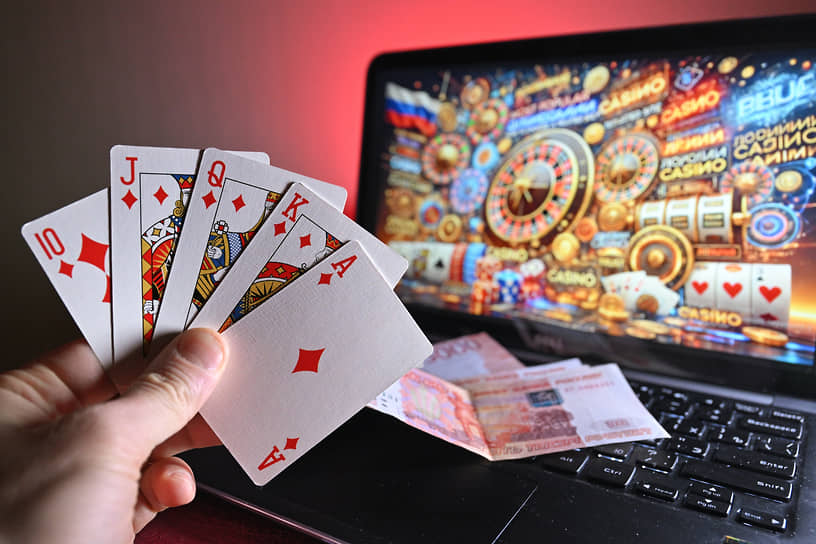
Rouge, a color synonymous with passion, love, and courage, has deeply woven its way into the fabric of human culture and creativity. From captivating artworks to powerful branding, the allure of this vibrant hue is undeniable. One can explore the myriad shades and meanings associated with rouge, delving into its rich history and its impact across various spheres. If you’re intrigued by the world of color and its implications, you might consider checking out Rouge https://casino-rouge.com/ for an exciting perspective.
The name “rouge” is derived from the French word for red, reflecting its roots in European art and fashion. Throughout history, red has been a color of power and prestige, often worn by royalty and used in significant ceremonies. The associations with blood and fire have made it a symbol of life, vitality, and energy. In ancient times, red pigments were derived from natural sources such as ochre, which was used in cave paintings, serving as one of humanity’s first forms of artistic expression.
The Historical Significance of Rouge
In ancient civilizations, particularly in Egypt and China, red held varying connotations. In Egypt, red was associated with chaos and disorder, embodied in the figure of Seth, while simultaneously representing life and health through the symbolism of the desert. In China, on the other hand, red is viewed as a color of happiness and good fortune. It is common in celebrations, especially during the Lunar New Year, where red decorations and attire are believed to ward off evil spirits and invite prosperity.
The Renaissance period saw a rebirth of color in art, with rouge coming into prominence as artists began to experiment with pigments. Giotto, Botticelli, and Raphael frequently utilized red in their masterpieces, giving life to emotions and depth to their subjects. The emotive power of this color, when applied in painting, is immense; it can draw viewers into the narrative, making the experience of the artwork more profound.
Rouge in Fashion and Design
Rouge is a dominant color in the world of fashion, representing a dramatic flair and boldness. Designers such as Christian Dior and Coco Chanel famously used variations of red in their collections, which transformed the way women viewed elegance and power. Whether it’s a classic red dress or striking red accessories, the color communicates confidence and allure. The famous red lipstick, a staple in many women’s beauty routines, further emphasizes this association with femininity and seduction.
In interior design, rouge shades add vibrancy and warmth to spaces, creating a sense of intimacy and energy. Whether it’s the deep crimson of a velvet sofa or the uplifting brightness of a cherry wall, red has the power to influence mood and ambiance. Designers often use it strategically to make a statement or evoke certain feelings—from passionate and intimate settings to lively and energetic environments.

Psychological Implications of Rouge
The color red has been extensively studied within the field of psychology, revealing how it influences human behavior and emotions. Research suggests that red can increase heart rates and stimulate appetites, which is why it is often used in marketing and advertising. Brands leverage the energizing quality of rouge to grab attention and provoke action, making it a go-to color for sales promotions and advertising campaigns.
However, the impact of rouge can vary across different cultures. For many, it evokes feelings of love and relationships, while for others, it might instigate aggression or conflict. Understanding these psychological implications helps in various fields, from marketing strategies to creative arts, allowing for a more profound connection with audiences.
Rouge in Art and Literature
The prominence of rouge extends into the realm of literature and poetry. Writers often employ the color red symbolically to enhance their narratives, imbuing their work with deeper meanings. For instance, in works such as “The Scarlet Letter” by Nathaniel Hawthorne, the color red embodies sin, guilt, and passion, creating a pivotal element within the storyline.
In visual arts, movements such as Impressionism and Expressionism exploited the emotional capacity of rouge, using it to portray moods and emotions vividly. Artists like Henri Matisse and Mark Rothko utilized red in ways that invoked intense feelings, allowing viewers to undergo a visceral experience. The legacy of using red within the art world endures, with contemporary artists continuing to explore the color’s depths and resonance.
Conclusion: The Everlasting Charm of Rouge
Rouge is more than just a color; it is a multifaceted symbol that connects deeply with our emotions, experiences, and cultural significance. As we journey through history, fashion, psychology, and art, the allure of red remains timeless. Its ability to convey passion, warmth, and even chaos continues to resonate across generations.
In an ever-evolving world, the impact of rouge remains steadfast, making it a compelling subject for any discussion—whether in creative fields or personal reflections. Whether we are wearing it, creating with it, or simply admiring its vibrancy, the charm of rouge is an enduring presence in our lives.

